Workers Compensation Software
Stop Chasing Stakeholders. Start Coordinating Claims.
Your workers compensation practice shouldn't feel like a coordination nightmare across four different stakeholders who can't stay in sync. Case Status centralizes all communication, reducing coordination time by 40% while keeping everyone informed on each claim.

Transform Complex Claims Into Streamlined Workflows
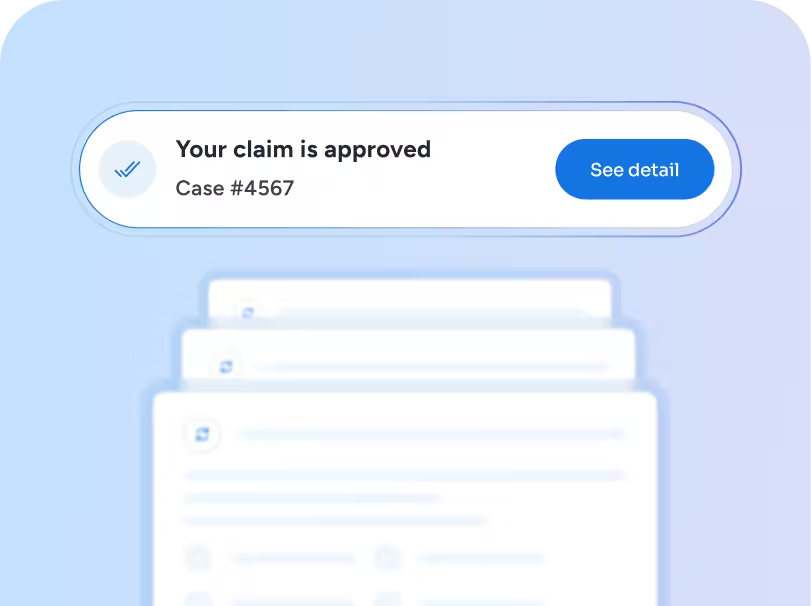
Real-Time Claim Updates
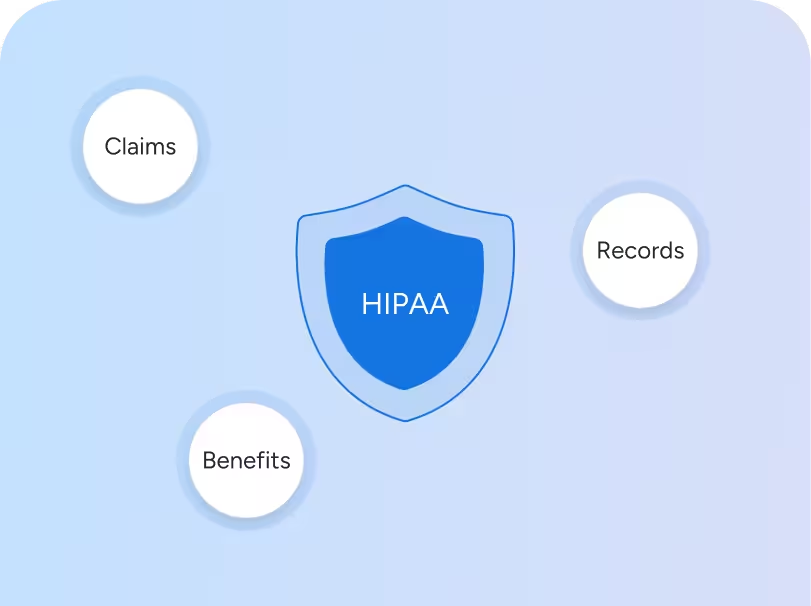
Secure Mobile Client Experience Portal
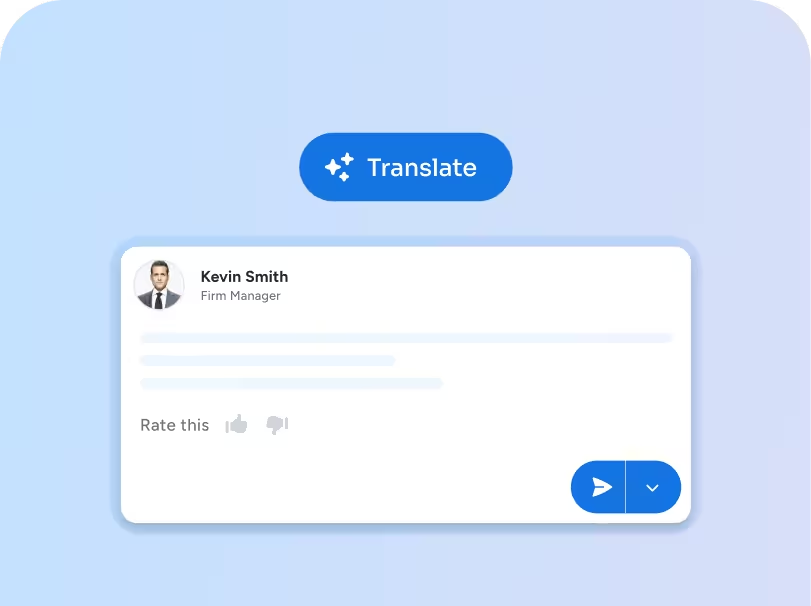
AI-Powered Multi-Party Communication
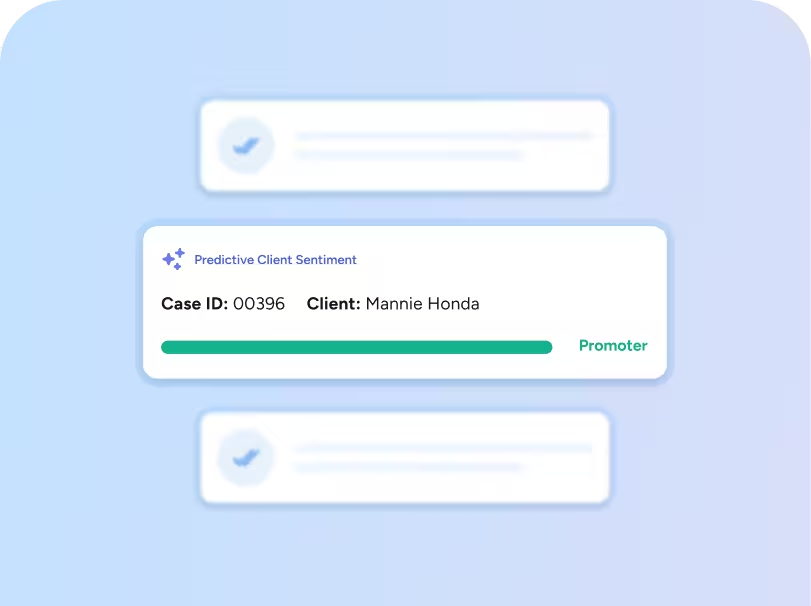
Client Satisfaction Tracking

Secure Document Sharing

Case Management Integration
Workers Compensation Data Security Built Into Case Status
Workplace Safety Data Protection
Multi-Party Access Controls
Workers’ Compensation Board Compliance
Employment Law Data Segregation
Real Results From Leading Workers Compensation Firms



Ready to Streamline Your Workers Compensation Practice?
Calculate Your Workers Compensation Practice ROI
Workers compensation firms using Case Status typically see immediate returns through reduced administrative overhead and improved claim resolution times. Use our calculator to estimate your potential savings and efficiency improvements from implementing workers compensation law firm software.
Frequently Asked Questions
What is workers compensation software?
Workers compensation software is specialized legal technology designed to manage the complex multi-party coordination required in workplace injury cases. It streamlines communication between injured workers, employers, insurance carriers, and medical providers while maintaining compliance with state WC regulations and HIPAA requirements. Learn about legal tech companies.
What does workers compensation legal software do?
Workers compensation legal software automates claim tracking, coordinates medical treatment approvals, manages return-to-work programs, and facilitates communication across multiple stakeholders. It ensures compliance with state-specific WC regulations while providing injured workers with transparent access to their claim status and benefit information. Discover legal software capabilities.
What are the key features of workers compensation case management software?
Essential features include multi-party access controls, automated deadline tracking for WC timelines, secure medical record sharing, return-to-work coordination tools, benefit status tracking, and compliance reporting for state WC boards. Advanced platforms offer AI-powered communication routing and real-time claim status updates.
What are the benefits of using workers compensation law firm software?
Benefits include reduced coordination time across multiple parties, improved injured worker satisfaction, faster claim resolution, better compliance with WC regulations, and enhanced communication with insurance carriers. Firms typically see 30-45% reduction in administrative overhead and improved relationships with all stakeholders.
How do you select the right workers compensation software for your practice?
Evaluate platforms based on multi-party access controls, state WC compliance features, integration with existing case management systems, mobile accessibility for injured workers, and the vendor's experience with WC-specific workflows. Consider scalability and support for various injury types and claim complexities. How much does legal software cost?
How can I calculate the ROI of implementing workers compensation communication software?
Workers compensation firms typically see immediate returns through reduced administrative overhead, faster claim resolution, and improved stakeholder coordination. Calculate your potential savings from reduced coordination time, fewer status calls, and improved efficiency across multiple parties including injured workers, employers, and insurance carriers. Calculate your WC practice ROI.
What metrics should I track to measure injured worker satisfaction throughout the claims process?
Injured worker satisfaction directly impacts claim resolution speed and reduces disputes in workers compensation cases. Key metrics include response time to inquiries, engagement with return-to-work programs, and satisfaction scores at different claim stages. Our assessment tool helps you benchmark satisfaction levels and identify workers who may need additional support during recovery. Assess your injured worker satisfaction.
How do I determine optimal communication frequency for different types of work injuries?
Workers compensation cases require different communication schedules based on injury type, recovery timeline, and return-to-work status. Catastrophic injuries need more frequent updates than minor injuries, while repetitive stress cases require ongoing coordination. Our tool analyzes your current communication patterns and recommends optimal frequencies for each injury category and claim stage. Optimize your WC communication frequency.
What should be my target response time for urgent workers compensation matters?
Response times in workers compensation directly impact medical treatment approvals, benefit delays, and return-to-work success. Different stakeholders have varying expectations—injured workers need faster responses than insurance adjusters. Calculate appropriate response time targets based on inquiry type, urgency level, and stakeholder relationships to maintain compliance and satisfaction. Calculate optimal WC response times.